
Dental Cleaning
Preventive care starts with regular dental cleanings
Allure Family Dental & Specialty Group in Huntington Beach provides professional dental cleanings performed by licensed hygienists under Dr. Franco Miele's supervision — removing plaque, tartar, and surface stains that brushing and flossing alone cannot reach. Every cleaning includes an oral cancer screening, gum health evaluation, and personalized home care recommendations. Schedule your cleaning or call 714-274-7736.
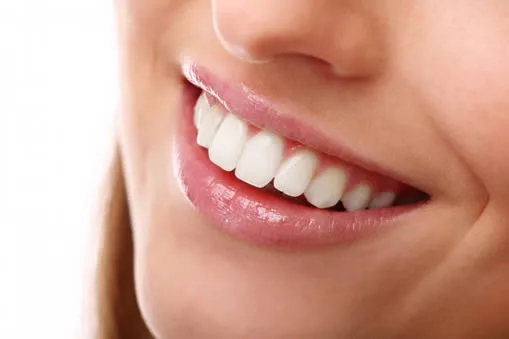
Dental Cleanings Huntington Beach
Dental cleanings are an essential part of maintaining good oral health. The procedure involves the removal of dental plaque and tartar from the teeth, which are both detrimental to dental health. Dental plaque is a sticky film that forms on the teeth due to bacteria build-up. If left untreated, it can lead to cavities, gingivitis, and gum disease. Tartar or calculus is a hardened form of dental plaque that forms when the plaque is not removed by regular brushing and flossing.
Regular dental cleanings help prevent the development of gum disease and tooth loss. In severe cases, gum disease can lead to tooth loss, which can be a severe blow to one's confidence and quality of life.
Every cleaning begins with a full periodontal assessment — pocket depth measurements, gum tissue evaluation, and review of your dental history. This determines whether you need a standard prophylaxis or a deeper scaling and root planing procedure. We never perform a one-size-fits-all cleaning.
For patients with anxiety or sensitive gums, we adjust our approach — using topical numbing gel, warm water irrigation, and a gentler ultrasonic setting to keep you comfortable throughout the appointment.
Reviewed by Dr. Franco Miele · Allure Family Dental & Specialty Group, Huntington Beach
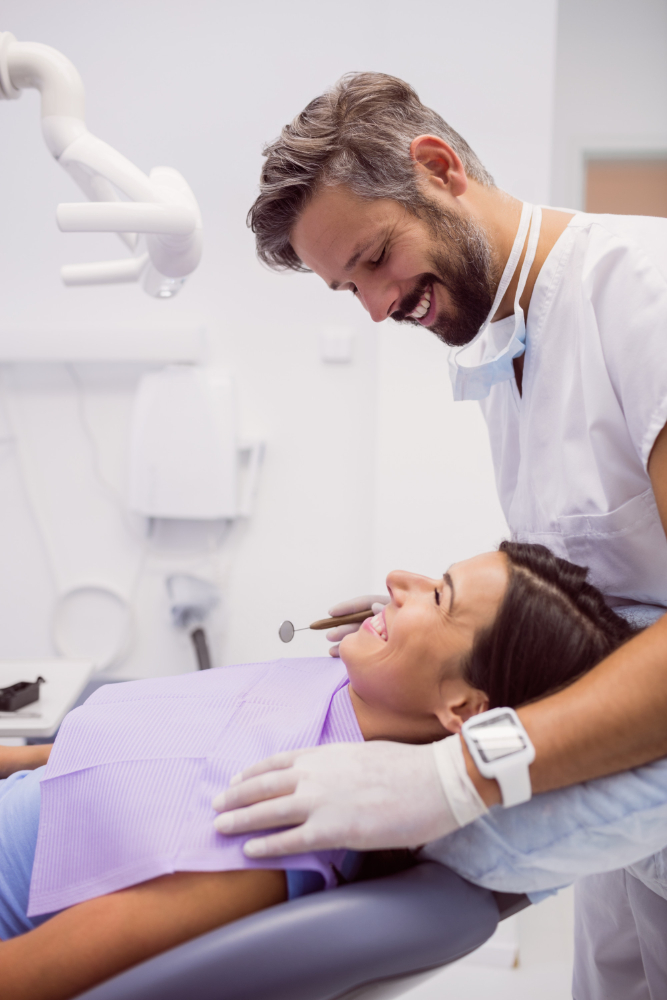
How Dental Cleanings Are Performed
Dental cleanings are performed by dental hygienists or dentists who use specialized instruments to gently remove plaque and tartar without harming the teeth. The procedure begins with an ultrasonic device that emits vibrations to knock loose larger pieces of tartar. The ultrasonic device also sprays a cooling mist of water, which washes away debris and keeps the area at a comfortable temperature.
After the larger pieces of tartar have been removed, hand tools called scalers and curettes are used to manually remove smaller deposits and smooth the tooth surfaces. These tools are curved and shaped to match the curves of the teeth, allowing for precise cleaning.
Once all the tartar and plaque have been removed, the teeth are polished using a slow speed hand piece with a soft rubber cup that spins on the end. A special gritty toothpaste-like material called prophylaxis paste is applied to the teeth to make them shiny and smooth. This process also removes any surface stains, resulting in a brighter smile.
During the dental cleaning, the dental hygienist will also use a piece of dental floss to clean between the teeth, removing any debris that may have been trapped.
Fluoride treatment may also be administered to help strengthen the tooth enamel. The fluoride may come in the form of gel, foam or varnish. This treatment can help prevent tooth decay by making the teeth more resistant to acid attacks from plaque bacteria and sugars in the mouth.
Your dental health is important to us at Allure Family Dental & Specialty Group. Call us to schedule your appointment today.
What Is Dental Plaque?
Dental plaque is a soft, sticky, and colorless film that forms on teeth and is caused by the buildup of bacteria in the mouth. It is a common dental problem that affects people of all ages and can lead to serious dental issues if left untreated.
Dental plaque forms when food particles and saliva combine in the mouth to create a breeding ground for bacteria. The bacteria then attach themselves to the surface of teeth and begin to multiply, forming a thin film known as dental plaque. Over time, this plaque can harden and become tartar, which is more difficult to remove.
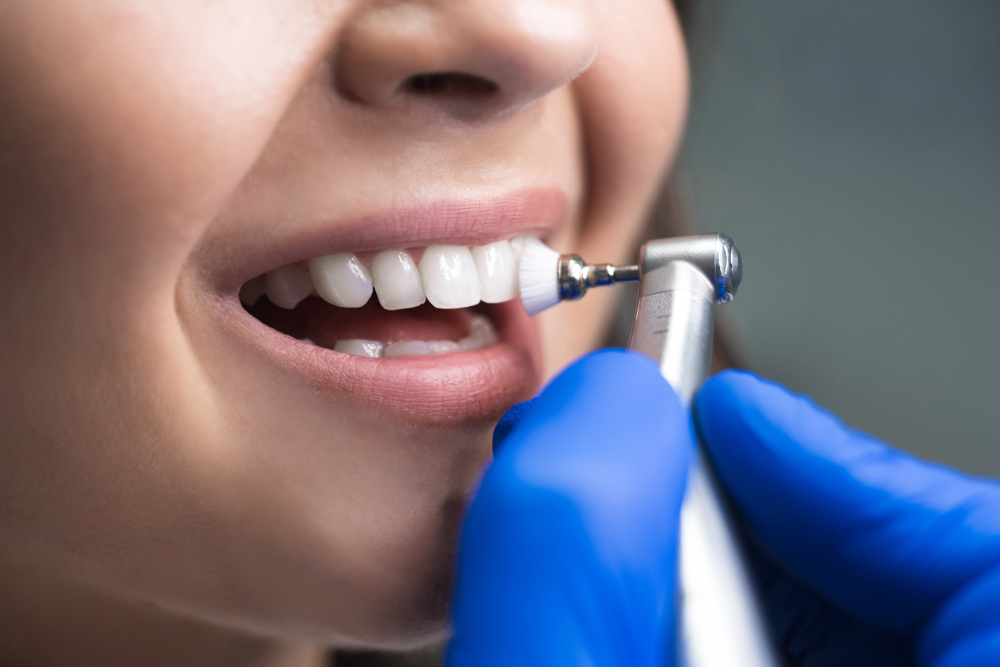
Preventing Dental Plaque Buildup
If left untreated, dental plaque can lead to a host of dental problems, including tooth decay, gum disease, and bad breath. Tooth decay occurs when the bacteria in plaque produce acid that erodes the enamel of the teeth, leading to cavities. Gum disease, on the other hand, occurs when plaque buildup leads to inflammation and infection of the gums, which can cause bleeding, swelling, and even tooth loss.
Bad breath, or halitosis, can also be a result of untreated dental plaque. The bacteria in plaque produce an unpleasant odor that can be difficult to mask with mouthwash or chewing gum.
To prevent the buildup of dental plaque, it is essential to practice good oral hygiene by brushing your teeth at least twice a day with fluoride toothpaste, flossing daily, and visiting your dentist regularly for cleanings and checkups. Contact our office today to schedule a dental cleaning with our dental hygienist at Allure Family Dental & Specialty Group. We look forward to seeing you.
What Is Periodontal Therapy or Deep Dental Cleaning?
Periodontal therapy, also known as a deep cleaning or scaling and root planing, is a non-surgical treatment for gum disease. This procedure is typically recommended for patients who have advanced periodontitis or those who have not responded well to routine dental cleanings.
Prevention of Cavities
Removing plaque and tartar before they erode enamel is the most reliable way to prevent cavities from forming between visits.
Early Detection of Issues
Every cleaning includes a visual exam that can catch early signs of cavities, gum disease, oral cancer, and bite problems before they escalate.
Fresher Breath
Bacteria-laden plaque and food debris trapped below the gumline are the leading cause of chronic bad breath. A thorough cleaning eliminates this at the source.
Brighter Smile
Prophylaxis polishing removes surface stains from coffee, tea, and food — leaving your teeth noticeably brighter without any bleaching agents.
Gum Disease Prevention
Gingivitis caught early is completely reversible. Regular cleanings remove the bacterial buildup that drives gum inflammation before it advances to irreversible periodontitis.
Cost Savings Long-Term
A twice-yearly cleaning costs a fraction of fillings, crowns, or periodontal therapy. Consistent preventative care is the most cost-effective dental investment you can make.
What Is Periodontal Charting?
Periodontal charting is an important diagnostic tool that dentists use to evaluate the health of your gums and diagnose gum disease. During a periodontal charting, your dentist or hygienist will examine your gums for signs of inflammation, recession, and pocketing, which are all indicators of gum disease.
To perform a periodontal charting, your dentist or hygienist will use a special probe to measure the depth of the pockets between your teeth and gums. Pockets deeper than three millimeters may indicate gum disease, as they provide a space for bacteria to thrive and cause damage to the tooth roots and supporting bone.
Your dentist or hygienist will also evaluate the color and texture of your gums, looking for signs of redness, swelling, or bleeding, which are all common symptoms of gum disease.
Periodontal charting is a painless and non-invasive procedure that can help to identify gum disease in its early stages, before it causes permanent damage to your teeth and gums. If you are at risk for gum disease, your dentist may recommend periodontal charting as part of your routine dental exam.
Contact our office today to schedule a consultation. We can answer any question you have about dental cleanings and address any issues unique to your specific situation. We look forward to seeing you.

What Is an Ultrasonic Scaler?
The ultrasonic scaler tool used by dentists is a specialized dental instrument that emits high-frequency vibrations to remove tartar and plaque from the teeth. It is also known as an ultrasonic scaler or ultrasonic cleaner.
The ultrasonic scaler consists of a handpiece with a small, curved metal tip that vibrates at a very high frequency, typically between 25,000 and 50,000 Hz. When the tip of the tool comes into contact with the surface of the teeth, it creates tiny bubbles in the water that surrounds it. The bubbles implode and produce a powerful shockwave that helps to loosen and remove tartar and plaque.
The ultrasonic scaler is used during routine dental cleanings to remove large deposits of tartar and plaque from the teeth. It can also be used for periodontal scaling and root planing procedures, which are more advanced forms of dental cleaning that involve the removal of tartar and plaque from below the gum line.
One advantage of using the ultrasonic tool is that it is more efficient than traditional hand-scaling methods. It can remove tartar and plaque more quickly and effectively, which means that dental appointments can be completed more efficiently. It also causes less discomfort for the patient, as the vibrations of the tool can help to numb the area being cleaned.
Call us to schedule your dental cleaning with Allure Family Dental & Specialty Group today!
What Is Prophylaxis Paste?
The paste that a dental hygienist uses to clean teeth during a dental cleaning is called prophylaxis paste. It is a special type of gritty toothpaste-like material that is designed to clean and polish the teeth.
Prophylaxis paste contains a fine abrasive material, such as silica, that helps to remove surface stains and plaque from the teeth. It also contains fluoride, which helps to strengthen the tooth enamel and prevent cavities.
During a dental cleaning, the dental hygienist will apply the prophylaxis paste to a small, soft rubber cup that is attached to a slow-speed handpiece. The rubber cup spins on the end of the handpiece and gently scrubs the paste onto the surface of the teeth.
The dental hygienist will use the prophylaxis paste to polish all surfaces of the teeth, including the front, back, and chewing surfaces. The polishing process helps to remove any remaining plaque and stains from the teeth, leaving them shiny and smooth.
After the teeth have been polished with the prophylaxis paste, the dental hygienist may apply a fluoride treatment to the teeth. The fluoride treatment helps to strengthen the tooth enamel and protect against cavities.
Who Benefits from Regular Dental Cleanings?
A standard prophylaxis cleaning is right for you if:
- Adults and children with generally healthy gums (no active gum disease)
- Patients who brush and floss regularly but still develop tartar buildup
- Patients due for their six-month preventative visit
- Patients who want to maintain results after completing periodontal treatment
You may need a deep cleaning (scaling and root planing) instead if:
- Gum pocket depths measure 4mm or deeper
- There is visible tartar buildup below the gumline
- Gums bleed regularly during brushing or flossing
- You have been diagnosed with gingivitis or periodontitis
What to Expect During Your Dental Cleaning Visit
Here is exactly what happens at your cleaning appointment at Allure Family Dental & Specialty Group. Most routine cleanings take 45–60 minutes from start to finish.
- 1. Review and evaluation. Your hygienist reviews your medical history, checks for changes since your last visit, and performs a visual exam of your teeth and gums.
- 2. Ultrasonic scaling. A vibrating ultrasonic tip breaks up large tartar deposits while a water spray flushes debris. You'll feel a gentle buzzing sensation — not pain.
- 3. Hand scaling. Curved hand instruments remove smaller deposits and smooth the tooth surfaces, especially in tight spaces between teeth.
- 4. Polish and floss. Prophylaxis paste is applied with a spinning rubber cup to remove surface stains and leave your teeth smooth. Your hygienist flosses between every tooth.
- 5. Exam with Dr. Franco Miele. Dr. Franco Miele performs a final exam, reviews any findings with you, and discusses recommendations for your next visit.
Common Concerns About Dental Cleanings
These are the questions patients ask most often. Dr. Franco Miele addresses each one honestly at your visit.
"Why do I need a cleaning if I brush and floss every day?"
Even with excellent home care, tartar forms in areas your toothbrush and floss cannot reach — particularly behind the lower front teeth and along the gumline of upper molars. Once plaque hardens into tartar, only professional instruments can remove it. A cleaning every six months keeps these deposits from progressing to gum disease.
"Will the cleaning hurt?"
Most patients experience little to no discomfort during a routine cleaning. You may feel mild pressure or vibration from the ultrasonic scaler, and brief sensitivity when the hygienist works near the gumline. If you have sensitive teeth or gums, we can apply a topical numbing gel before starting. Patients who haven't had a cleaning in over a year may experience more tenderness — this improves with regular visits.
"My gums bleed when I floss — is that normal?"
Bleeding gums are not normal — they are the earliest sign of gingivitis caused by plaque buildup along the gumline. The good news: gingivitis is completely reversible with a professional cleaning and consistent home care. If left untreated, it can progress to periodontitis, which causes irreversible bone loss. A cleaning is the first step toward resolution.
Risks and Considerations of Dental Cleanings
Dental cleanings are one of the safest procedures in dentistry, but it's important to know what to expect. Dr. Franco Miele reviews any concerns at your appointment.
- Temporary tooth sensitivity to cold air or water for 1–2 days after cleaning
- Mild gum tenderness, especially if tartar buildup was significant
- Rarely, minor gum bleeding during or after the procedure — this resolves quickly
- Patients with heart conditions or joint replacements should inform their dentist, as antibiotic premedication may be recommended
Frequently Asked Questions About Dental Cleanings
It's recommended to get a dental cleaning every six months to prevent cavities, gum disease, and other dental problems.
Yes, dental cleanings can help to prevent bad breath by removing bacteria and food particles that can cause odors in the mouth.
Yes, dental cleanings can help to remove surface stains from your teeth. However, deeper stains may require additional treatment, such as teeth whitening.
No, dental cleanings are safe and non-invasive. However, if you have sensitive teeth or gums, your dentist or hygienist may take special precautions to ensure your comfort.
Yes. At our Huntington Beach dental office we offer dental cleanings to patients from Huntington Beach and the surrounding area. Contact our office today to schedule an appointment.
Most dental insurance plans cover two routine cleanings per year at 100%. We verify your benefits before your visit and will let you know if any additional services (deep cleaning, fluoride, periodontal maintenance) may have out-of-pocket cost.
A regular cleaning (prophylaxis) removes plaque and tartar above the gumline in patients with healthy gums. A deep cleaning (scaling and root planing) removes bacteria and tartar below the gumline in patients with gum disease. Dr. Franco Miele determines which is appropriate based on your gum health.
Patients with a history of gum disease, heavy tartar buildup, or certain medical conditions (diabetes, pregnancy) may need cleanings every 3–4 months instead of every 6. Dr. Franco Miele will recommend the right schedule based on your oral health.
Medical Disclaimer
This content is for informational purposes only and does not constitute dental or medical advice, diagnosis, or treatment. Dental cleanings can cause temporary tooth sensitivity, mild gum tenderness, and rarely minor bleeding. Patients with heart conditions or joint replacements should discuss antibiotic premedication with their dentist. Consult Dr. Franco Miele or a qualified dental professional regarding any questions about your oral health. Individual results may vary.
Schedule Your Dental Cleaning Today
Regular dental cleanings are essential for maintaining a healthy smile. Contact Allure Family Dental & Specialty Group to book your next appointment.